What Repeats. What Remains.
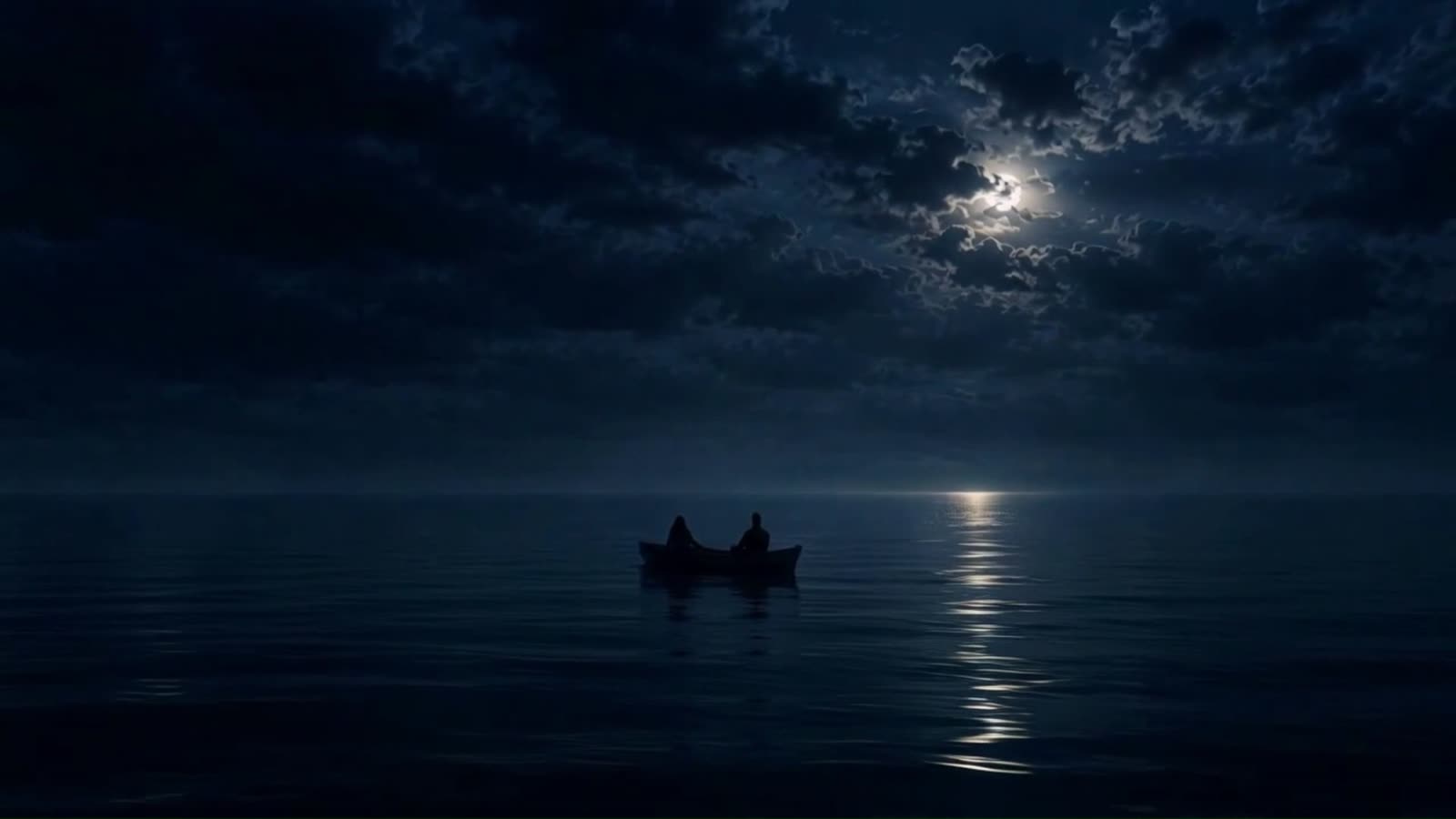
Two people stand side by side on the shore as a storm comes in over the water.
Both were there when the storm came.
1 of 4: Both were there when the storm came
Four lives. Open each one.
The boat
The family
The group
The work
Three things you might hear.
Many people tell a similar story.
Two people come away from the same storm differently.
“We never wore seatbelts, and we turned out fine.”
The same doesn’t mean less.
Different doesn’t mean wrong.
What repeats may reveal a pattern. What differs may reveal what the pattern missed.
Under the surface
These are illustrations. Rae and Lee, the family, the group and the work are invented, and nothing here is a case study, a diagnosis or a way to measure anyone's experience. The boat is the song's.
The storm. One event can be shared while what it was like to live through it is not: who was exposed to what, what each brought to it, and what came after are not in the record of the event. The scene shows the two accounts side by side and doesn't say why they differ. A distress that lasts in one person isn't disproved by its absence in another, and its absence in one isn't proof the other is hiding something. A person's account of what they went through can be true without every explanation they reach for being right.
The four lives. Similar accounts can point to a shared condition or rule worth looking into. They don't show the causes were the same, that the costs were, or that anything common is harmless for being common. What is only theirs is kept beside each one, because a detail that doesn't fit the pattern may be what the pattern was missing.
The seatbelts. That argument is survivorship: the people a risk harmed aren't the ones saying it was fine. It is a different thing from the storm and from the four lives; the three are side by side because each takes an observation further than it goes. Source: NHTSA, Traffic Safety Facts, 2006 Data: Occupant Protection, DOT HS 810 807.