Why the Why Goes Missing
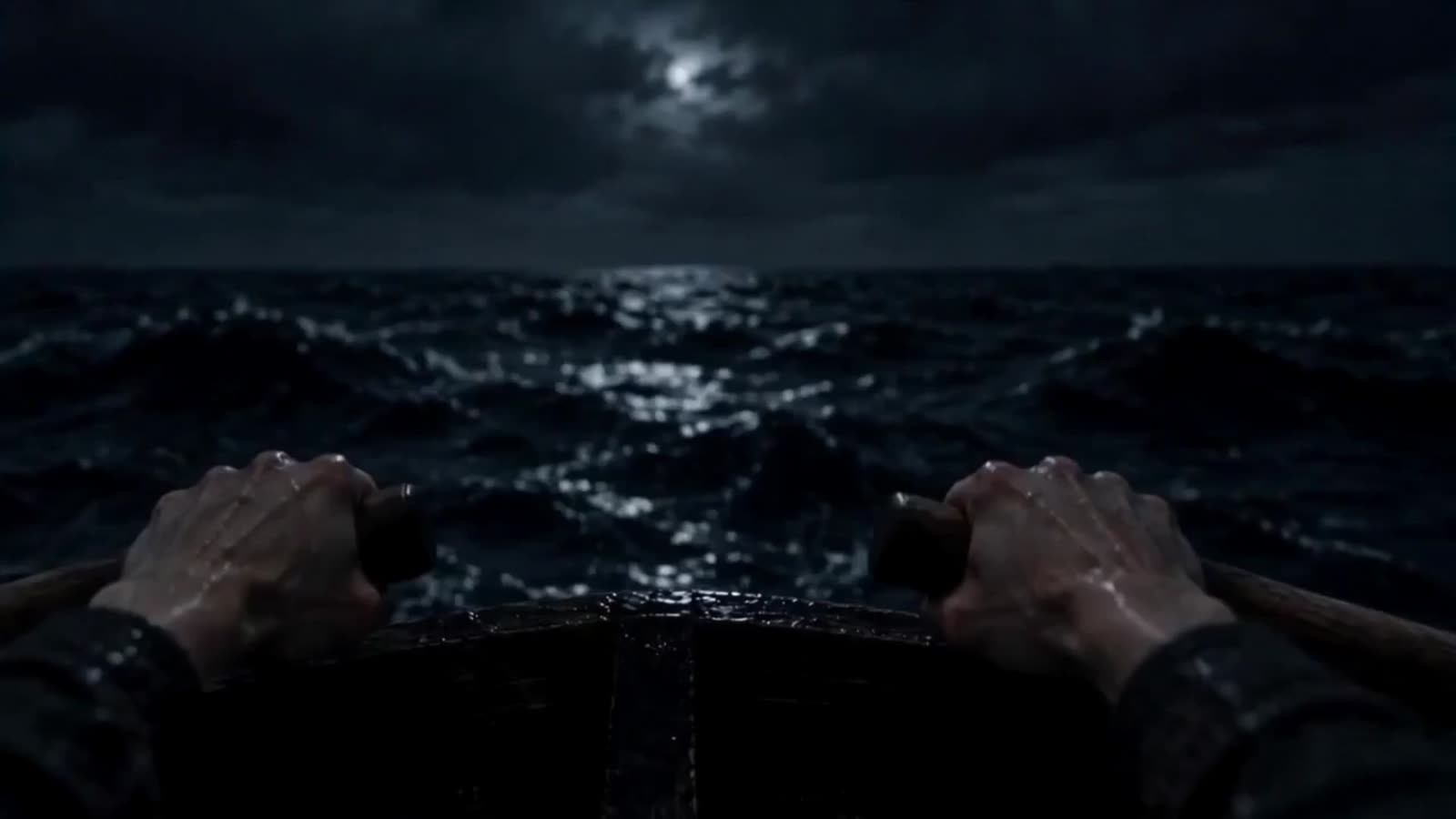
She stayed.
She rowed.
The water kept rising.
“I thought survival meant row harder, love deeper, stay longer, carry more.”
What staying meant to her could not be seen from shore.
From shore.
From inside the boat.
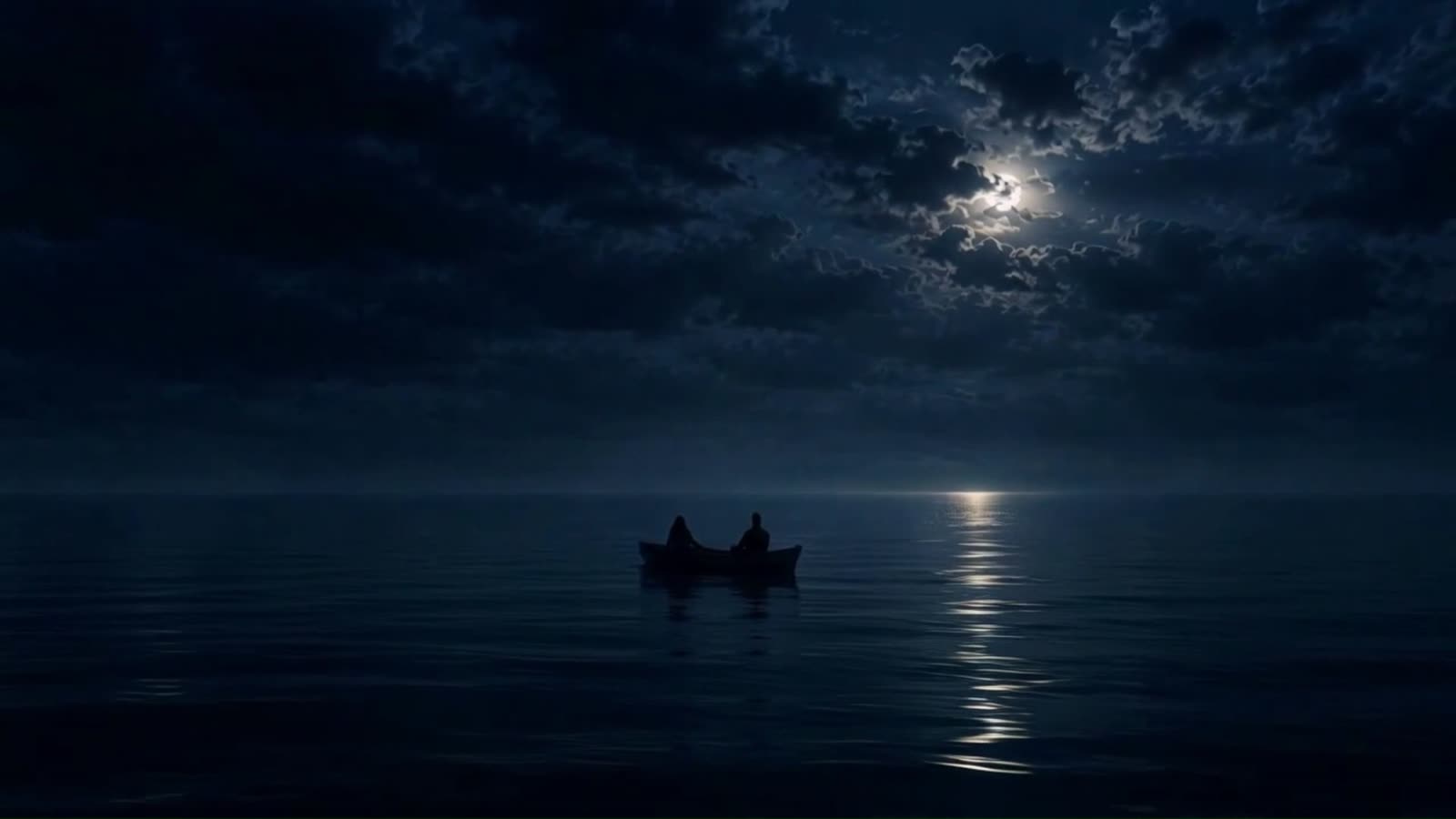
From shore, someone could see:
She stayed.
She rowed.
The water kept rising.
1 of 4: What was written down
Under the surface
Three different whys. Why the water kept rising: the patches were being torn out. Why she kept rowing: the belief she gives in the song, "I thought survival meant row harder, love deeper, stay longer, carry more." Why he tore the patches out: the song shows his hands, and his reasons belong to him. This page follows the second.
Four different gaps. What the person deciding had to go on; what someone else could see and write down; what survived being passed on; and what a later reader built from what was left. In the scene, the shore never had her belief, so it was never written down. The rising water was written down, and fell away in the retelling. And the conclusion at the end was inferred, not seen.
These are separate ways a reason becomes unavailable, not stages. They can happen alone or together. A person may also not see every assumption they act on, which is a different gap again, and not one this scene claims for her.
What this doesn't claim. That her belief was sound, that anyone's actions are fully reasoned, or that a lost reason can always be recovered. Only that an account can be true in every word and still lose what the act meant to the person who did it.